The Complete Guide to Concrete Resealing for Montana Homeowners
    March 17, 2026 5 min read

    The Complete Guide to Concrete Resealing for Montana Homeowners

    Share:

    Your Concrete Is Tougher Than You Think — But Not Invincible

    Concrete driveways, patios, walkways, and garage floors are built to last. But in Montana's Flathead Valley, the combination of extreme weather, UV exposure, and moisture means even the toughest concrete needs regular protection. That's where resealing comes in.

    How Montana's Climate Attacks Concrete

    Unsealed concrete is porous — it absorbs water like a sponge. In the Flathead Valley, that's a recipe for accelerated damage:

  1. Freeze-thaw cycles — Water soaks into concrete pores, freezes overnight, expands, and cracks the surface from within. This repeats dozens of times each winter.
  2. UV degradation — Montana's high-altitude sun fades and weakens unsealed concrete, making it brittle and prone to surface flaking (spalling).
  3. Road salt and deicers — Chemical runoff from driveways and streets penetrates unsealed concrete, causing internal deterioration and surface pitting.
  4. Moisture and staining — Oil, rust, mildew, and organic stains absorb deeply into unsealed concrete, becoming nearly impossible to remove.
  5. What Is Concrete Resealing?

    Concrete sealing applies a protective barrier over the surface that blocks moisture, resists stains, and shields against UV damage. Professional-grade sealers come in two main types:

  6. Penetrating sealers — Soak into the concrete and create an invisible chemical barrier. Ideal for driveways and walkways where you want a natural look with maximum protection.
  7. Film-forming sealers — Create a visible coating on the surface that can add a matte, satin, or glossy finish. Great for patios, decorative concrete, and garage floors.
  8. Both types dramatically extend the life of your concrete and reduce long-term maintenance.

    Signs Your Concrete Needs Resealing

    Watch for these indicators that your sealer has worn off:

  9. Water no longer beads on the surface — it soaks in instead
  10. Surface discoloration or fading compared to when it was new
  11. Hairline cracks or surface flaking (spalling) appearing
  12. Stains from oil, leaves, or rust that won't wash off
  13. It's been 2–4 years since the last application
  14. A simple water test tells you instantly: pour a small amount of water on the surface. If it darkens and absorbs within a few seconds, your sealer is gone.

    The Resealing Process

    Professional concrete resealing isn't just rolling on a coat of sealer. The process includes:

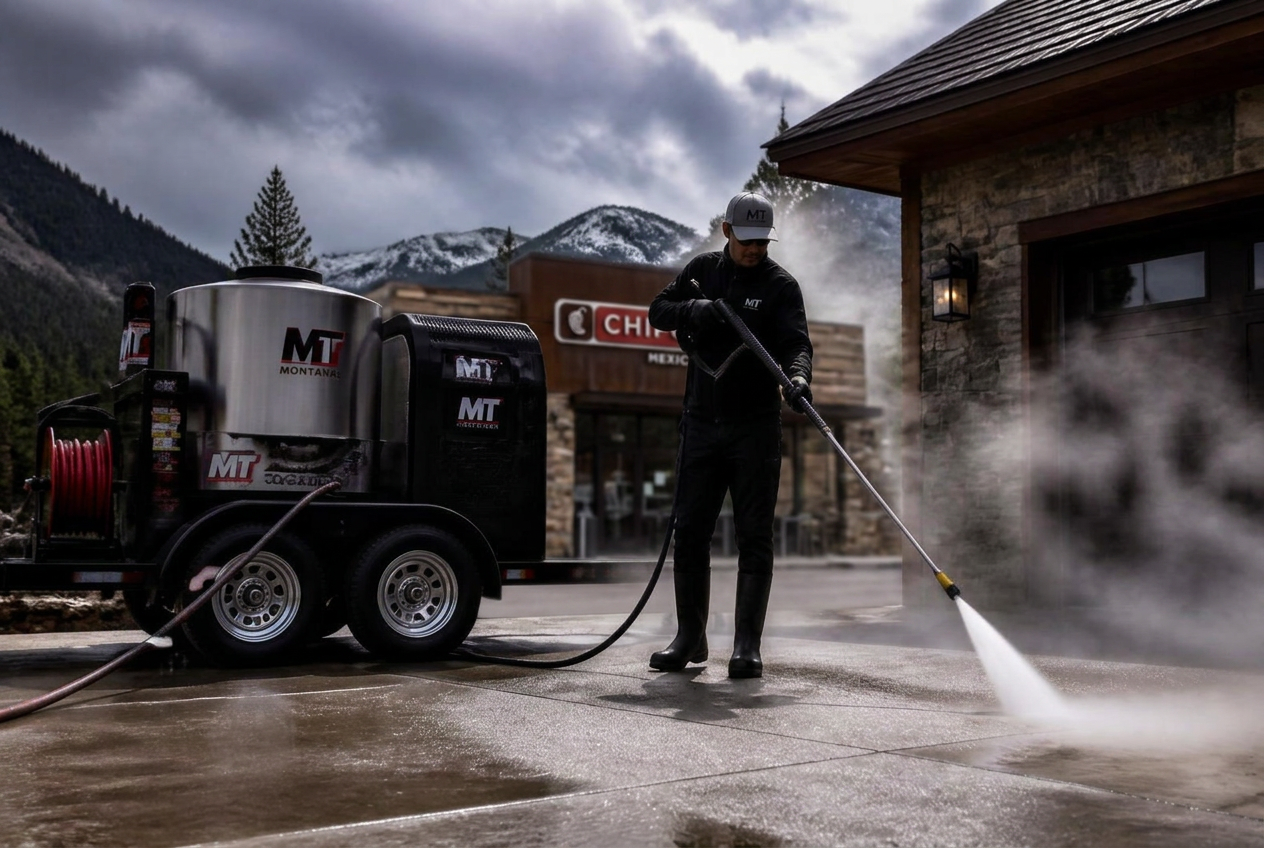
  15. Thorough pressure washing to remove dirt, mildew, stains, and old sealer residue
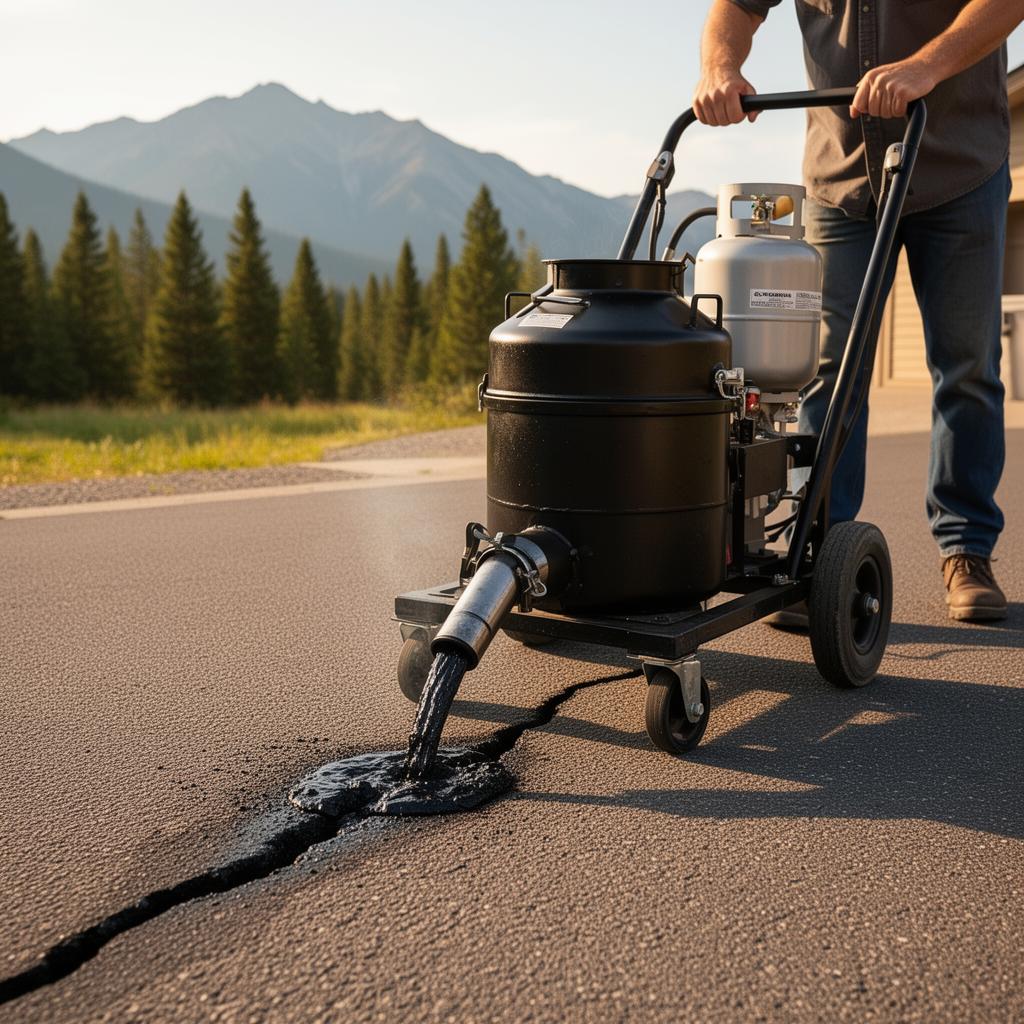
  16. Crack repair — filling any existing cracks to prevent water intrusion
  17. Surface preparation — ensuring the concrete is clean, dry, and free of contaminants
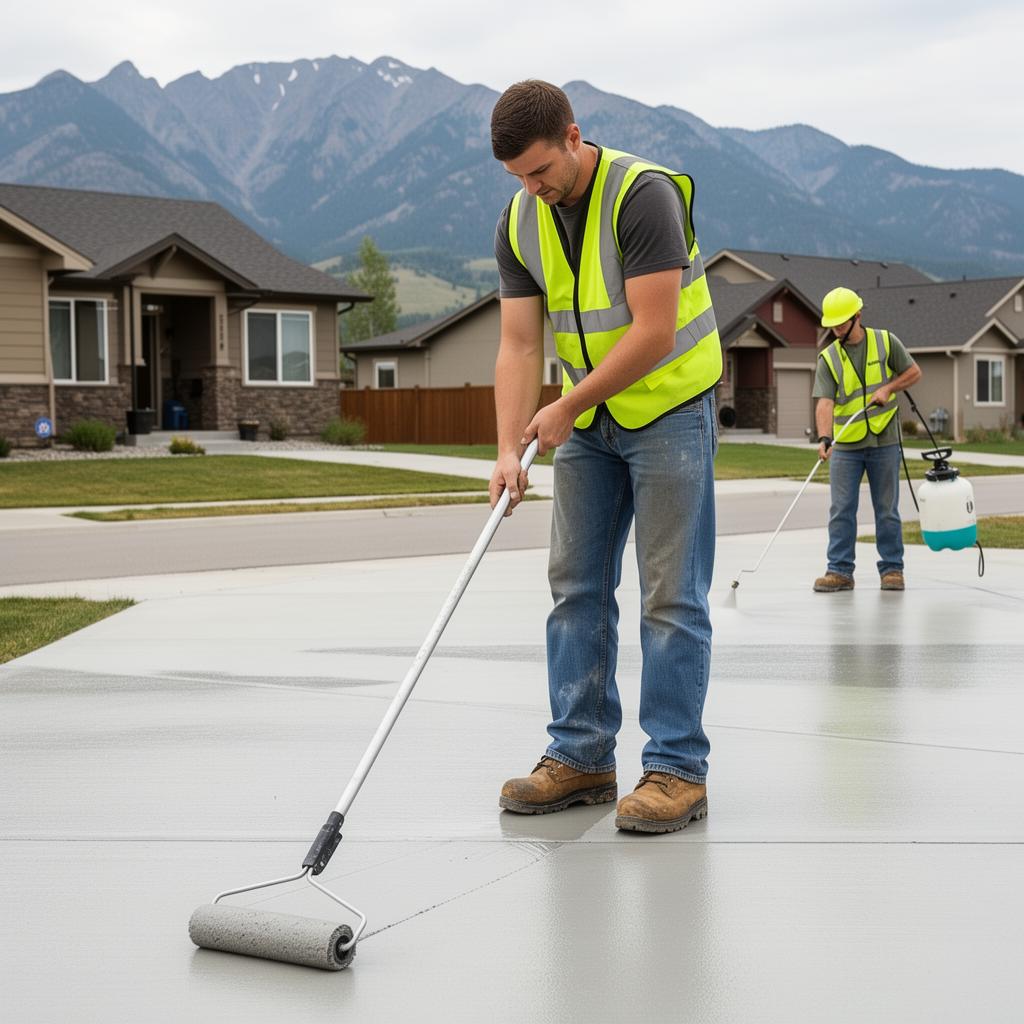
  18. Even sealer application — using professional sprayers or rollers for consistent coverage
  19. Proper cure time — allowing adequate drying before foot or vehicle traffic
  20. Skipping any of these steps compromises the seal and shortens its lifespan.

    How Often Should You Reseal in Montana?

    Due to our harsh climate, concrete in the Flathead Valley typically needs resealing every 2–3 years for driveways and high-traffic areas, and every 3–4 years for patios and decorative surfaces. Factors that shorten the interval include:

  21. Heavy vehicle traffic
  22. Direct sun exposure
  23. Proximity to road salt application
  24. Areas prone to standing water
  25. DIY vs. Professional Resealing

    Hardware store sealers can provide basic protection, but professional application offers significant advantages:

  26. Commercial-grade sealers with higher solids content and longer-lasting protection
  27. Proper surface preparation — the most critical step that DIY often skips
  28. Even, streak-free application without puddles or missed spots
  29. Expert assessment of your concrete's condition and the right sealer type for each surface
  30. Improper application — applying sealer over dirty concrete or using the wrong product — can trap moisture and actually accelerate damage.

    Protecting Decorative and Stamped Concrete

    If you have stamped, stained, or decorative concrete, resealing is even more critical. The sealer protects not just the concrete itself, but the color and pattern work that makes it special. Without regular resealing:

  31. Colors fade from UV exposure
  32. Patterns lose definition as the surface wears
  33. The investment you made in decorative concrete deteriorates prematurely

  34. Keep Your Concrete Looking New

    Don't let Montana's climate turn your concrete surfaces into a crumbling, stained mess. Professional resealing is affordable, fast, and protects your property for years.

    At Flathead Pressure Washing & Soft Wash, we provide professional concrete cleaning and resealing services for driveways, patios, walkways, and garage floors throughout the Flathead Valley. We're fully insured, BBB accredited, and committed to results that last.

    Request your free concrete resealing quote today or call (406) 607-2981.

    Ready to see the difference?

    Get a free, no-obligation quote for your property today.

    Request Your Free Quote
    Back to all articles
    Start Your Project

    Ready for a
    picture-perfect property?

    Request a free, no-obligation quote. We'll assess your property and send you a transparent estimate — usually within 24 hours.

    Get in touch
    Service Area
    Flathead Valley, Montana
    Hours
    Mon–Sat · 7AM – 7PM